Evidence first
Symptoms, cabinets and historic records

Remediation and recovery
LGN helps clients recover cabling and fibre that is incomplete, unreliable, poorly documented or failing certification—without turning diagnosis into guesswork.
LGN delivery framework
Symptoms, cabinets and historic records
Testing, tracing and controlled intervention
Repair, rationalise and document
Purpose and outcome
When an installed network fails, individual red results rarely tell the whole story. Repeated symptoms may come from termination, route damage, cable restraint, cabinet organisation, fibre management, contamination, documentation errors or a design that does not match the intended service. LGN begins by establishing the installed condition and the acceptance requirement.
The response can then be bounded: trace and audit, test a representative sample, isolate systemic issues, agree priorities, remediate affected elements and verify the result. This protects the client from replacing serviceable infrastructure while preventing cosmetic corrections from hiding a deeper defect.
Scope
The final scope is specific to the site, but commonly includes the following workstreams.
Reconcile labels, routes, cabinets, drawings and test evidence to understand what is actually installed.
Test links, inspect terminations and pathways, correct faults and retest to the agreed standard.
Use inspection and OTDR evidence to locate problems, then re-splice, reterminate or reorganise as required.
Maintain an exception list and provide results, photographs and updated records for the completed remedial scope.
Delivery and assurance
LGN asks for available certification, drawings, fault reports, change history and the operational consequence. A first inspection identifies safety or access constraints and helps distinguish isolated incidents from repeatable patterns. The remedial proposal can then prioritise critical links, define exclusions and set an objective pass condition.
Cost is driven by uncertainty as much as quantity. Clear records and repeatable failure patterns reduce investigative time; unidentified routes, occupied areas, inaccessible containment and intermittent service faults increase it. LGN therefore separates discovery from full remediation where the installed condition cannot be known responsibly in advance.
LGN project evidence
A major headquarters project had been handed over with a reported 60% fibre certification pass rate. LGN investigated the network, corrected cable anchoring and fibre management, reterminated affected fibres and verified work progressively. The supplied project evidence records a successful certified outcome following an approximately three-week recovery programme.
LGN has also supported an established multinational client after unexpected damage threatened a critical network. The supplied testimonial describes on-site support through nights and a weekend until service was restored—evidence of persistence, but not a blanket 24/7 response promise.
A better project brief
Share the site address, intended outcome, drawings or device schedule, required completion date, access restrictions, operating hours, known standards, existing test evidence and the party responsible for active configuration. LGN will identify assumptions and missing interfaces before they become installation risks.
LGN project photography
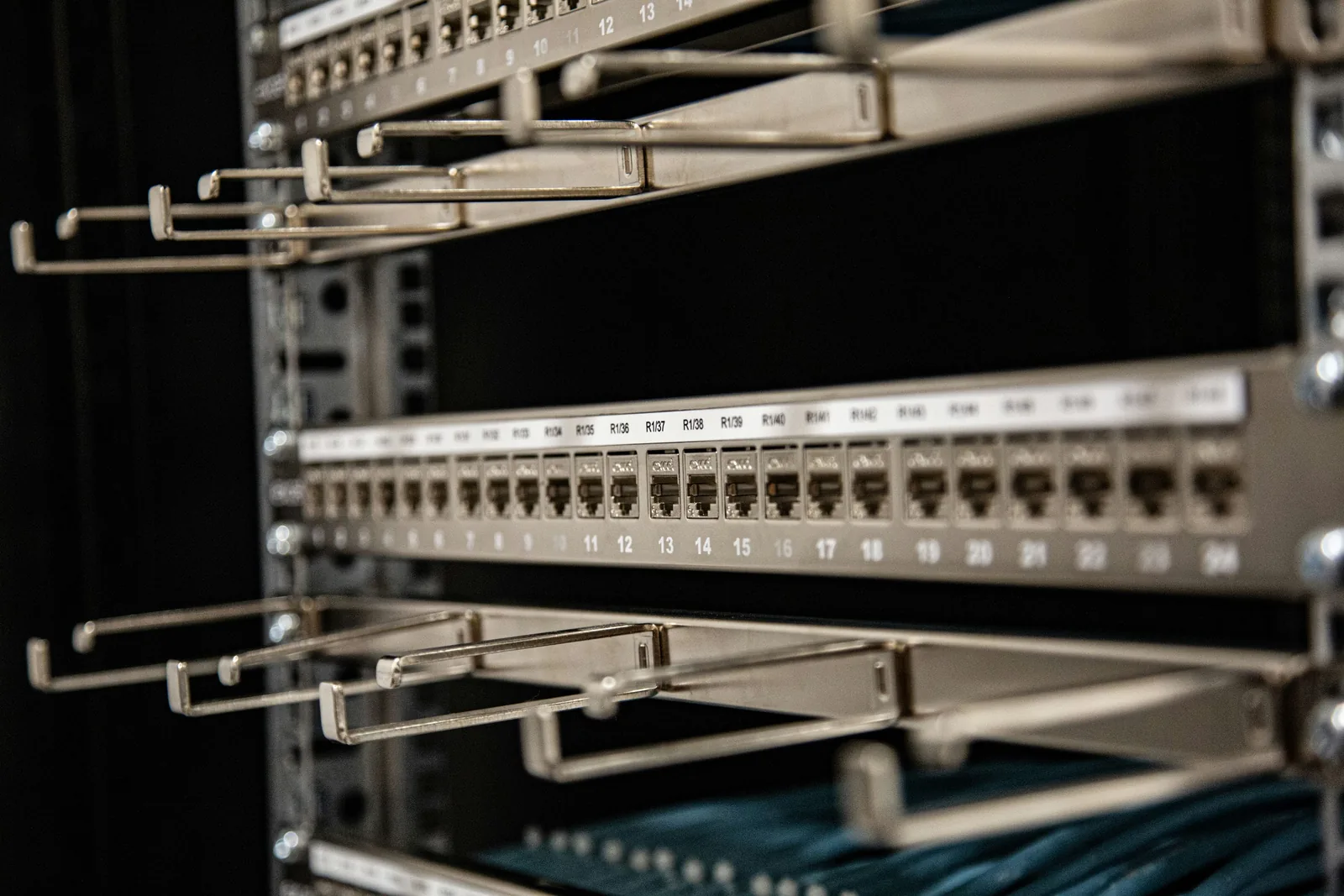

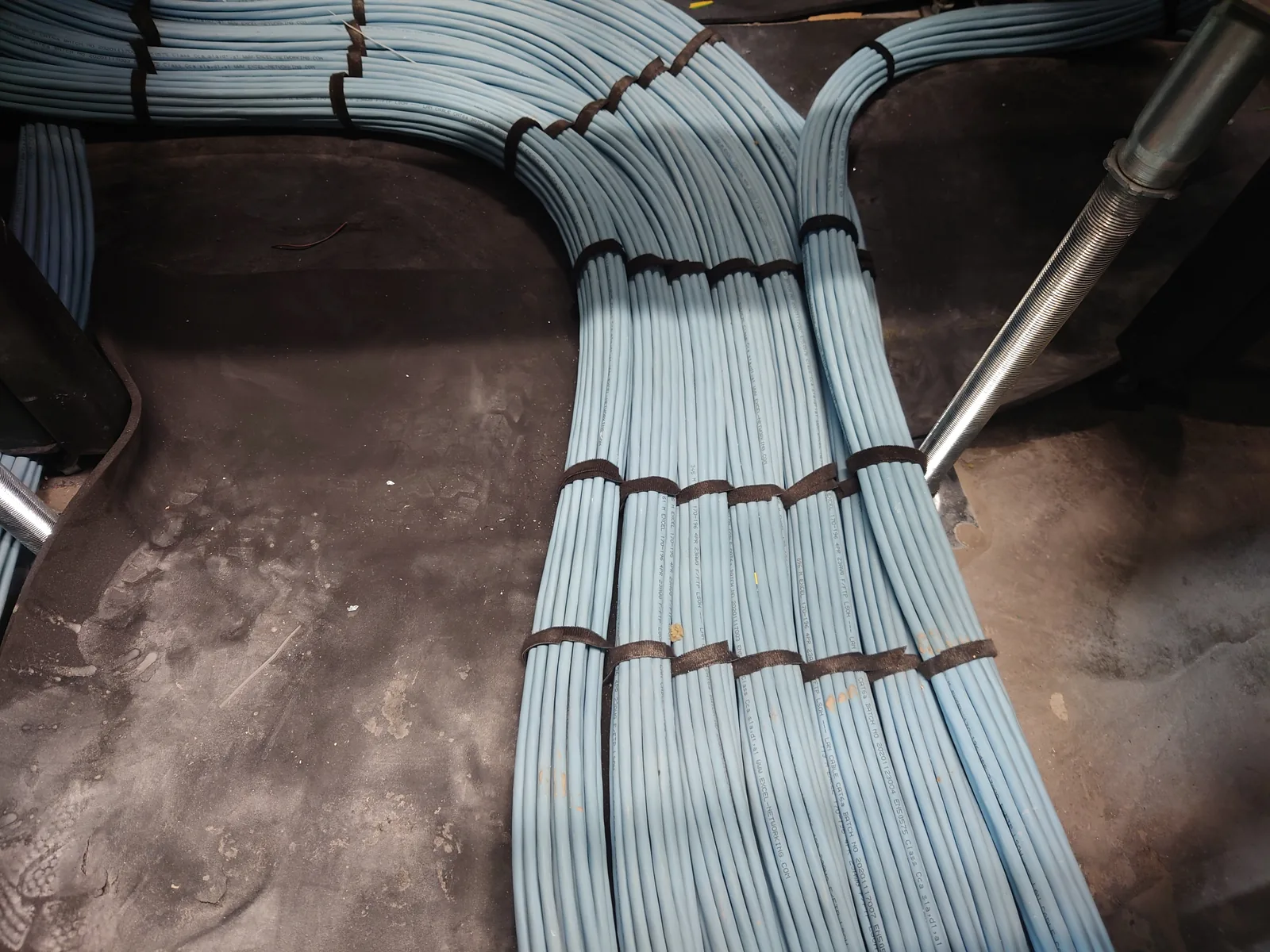
Questions clients ask
Yes. LGN approaches the system as installed, records the condition and defines a remedial scope without relying on assumptions about who completed the original work.
Yes, subject to location and availability. Small faults and large recovery programmes use the same principle: establish the cause and verify the repair.
Not necessarily. Testing and inspection may show that part of the system is serviceable. Replacement should follow evidence, suitability and the required warranty or standard.
A bounded remedial package can be fixed once the installed condition is sufficiently understood. Discovery may be priced separately where uncertainty is high.
Certification files, drawings, labels, cabinet schedules, incident notes, photos and change history all help accelerate diagnosis.
Often yes. Priority links, permitted windows, rollback requirements and temporary service arrangements need to be agreed with the responsible technical team.