Coverage-ready
Cabled positions, PoE and mounting

Systems
LGN brings device cabling, routes, cabinets, power interfaces and installation evidence together so Wi-Fi, security and access projects do not become disconnected workstreams.
LGN delivery framework
Cabled positions, PoE and mounting
Camera routes, bandwidth and resilience
Door infrastructure and interfaces
Purpose and outcome
Wireless access points, cameras, door controllers, intercoms and AV devices all depend on the physical network. Treating each as an isolated installation can create duplicated routes, unsuitable outlet positions and cabinet capacity problems. LGN coordinates the passive infrastructure and specified device installation around one site plan.
Supplied relationships include Paxton, Hanwha, Hikvision, Ubiquiti and Aruba. These are supply relationships rather than blanket accreditation claims. Product, licensing, configuration, storage, coverage and commissioning responsibilities are confirmed for each brief.
Scope
The final scope is specific to the site, but commonly includes the following workstreams.
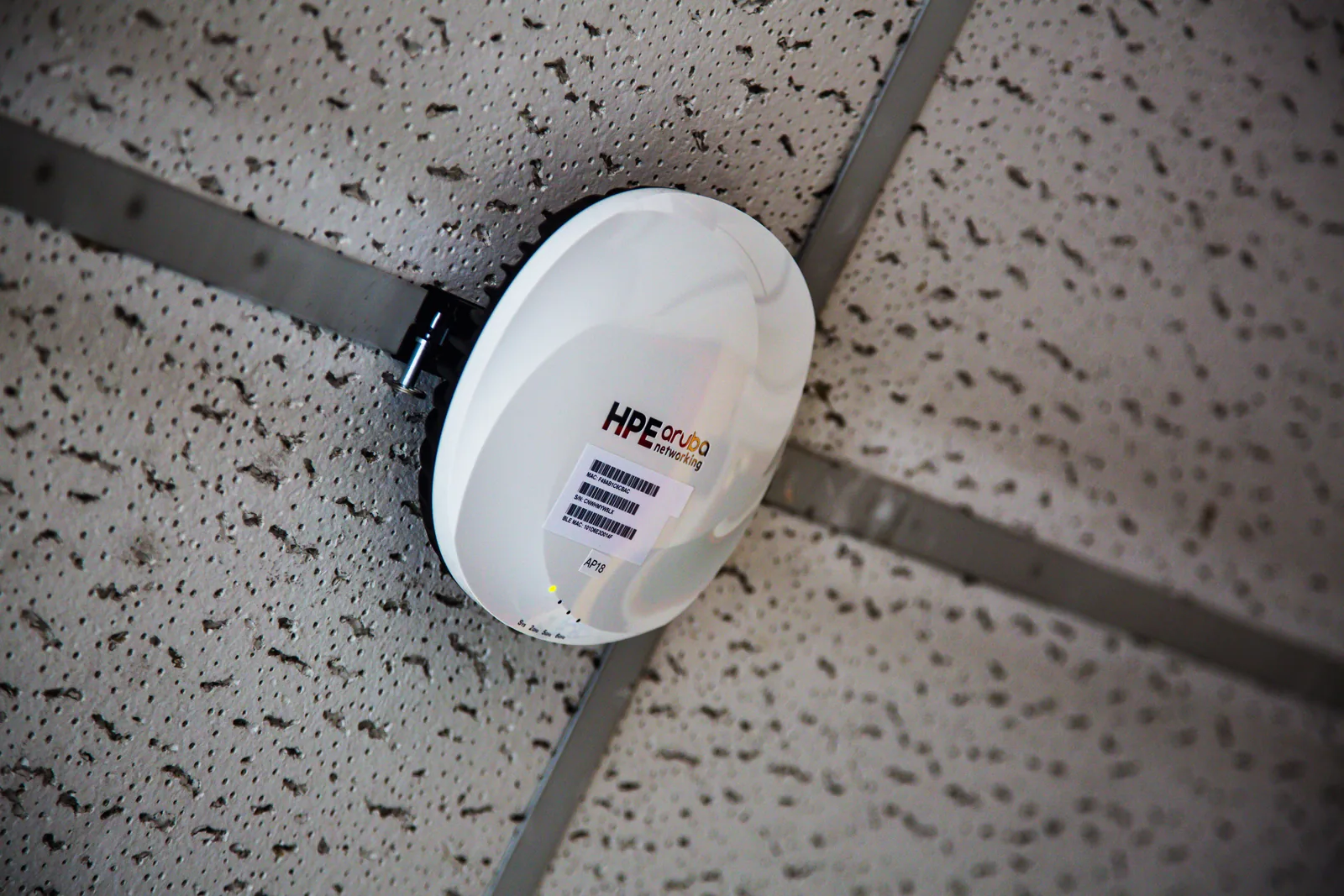
Install and certify cabling, mounting and cabinet connectivity for access points designed by the responsible wireless team.
Coordinate camera positions, pathways, PoE/data links, cabinets and specified mounting or device installation.
Provide structured routes and physical installation support for controllers, readers and associated network interfaces.
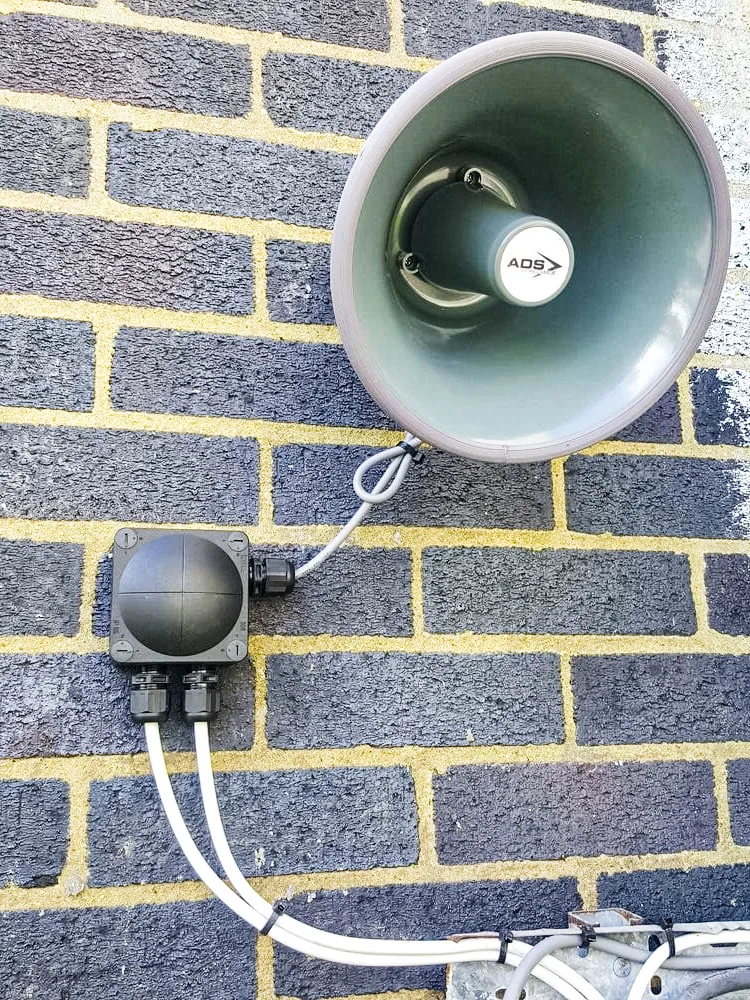
Support networked AV, display, speaker and communications infrastructure where included in the agreed design.
Delivery and assurance
The project begins with device schedules, drawings, coverage or security design, PoE and bandwidth requirements, recording or controller locations and the party responsible for active configuration. LGN then coordinates the passive routes, outlets, cabinets, labels and tests needed for commissioning.
Cost and timing depend on device count, height and access equipment, external work, specialist mounting, containment, cable distance, fire stopping, hardware supply and the split between installation and configuration. The handover should distinguish certified cabling from operational commissioning.
LGN project evidence
LGN’s supplied project evidence includes high-security logistics and government facilities combining fibre backbones, CCTV and access control. Distribution-centre programmes have also combined high-density data cabling, satellite cabinets with fibre uplinks, Wi-Fi, surveillance and access infrastructure across facilities exceeding one million square feet.
Education delivery across more than 100 schools has included structured cabling, Wi-Fi, AV and CCTV, with work organised around operational premises and repeatable handover requirements.
A better project brief
Share the site address, intended outcome, drawings or device schedule, required completion date, access restrictions, operating hours, known standards, existing test evidence and the party responsible for active configuration. LGN will identify assumptions and missing interfaces before they become installation risks.
LGN project photography

Questions clients ask
LGN can work with the responsible designer or partner. Survey, predictive design, hardware selection and configuration responsibilities should be confirmed in the scope.
Supplied relationships include Hanwha, Hikvision and Paxton. Suitability, licensing and current product support are confirmed for the individual project.
Often yes, but separation, capacity, resilience, security and manufacturer requirements need to be coordinated rather than assumed.
Installation and commissioning scope varies. The quotation will identify whether LGN, the client or a specialist technology partner owns configuration and final acceptance.
LGN has personnel with relevant IPAF categories where assigned. Access method, rescue planning and project-specific competency are confirmed before work.
Cable certification, labels, photographs, device schedules or marked-up plans can be included. Operational testing for the active system must have a named owner.