Translate
Turn the logical design into site-ready works

IT and MSP support
LGN gives MSPs and IT teams practical field capacity for cabling, fibre and site infrastructure while keeping scope, communication and handover aligned to the partner.
LGN delivery framework
Turn the logical design into site-ready works
Communicate with site and project teams
Return results, photographs and exceptions
Purpose and outcome
MSPs often own the client outcome without maintaining permanent cabling teams in every location. LGN supports the physical layer: surveys, pathways, cabinets, copper, fibre, patching, testing, fault finding and on-site coordination. The MSP retains control of the relationship and the logical environment.
Strong white-label competitors address the commercial safeguards directly. LGN’s working arrangement should therefore be explicit for each engagement: named points of contact, communication route, branding, confidentiality, client ownership, escalation, documentation and the boundary between passive infrastructure and active configuration.
Scope
The final scope is specific to the site, but commonly includes the following workstreams.
Capture site condition, routes, cabinet information and constraints for a partner-led proposal or project.
Provide labour-only, defined installation or broader physical-layer delivery where the agreed model supports it.
Certify new links, investigate inherited faults and return organised evidence to the partner team.
Provide branded or unbranded photographs, plans, labels and certification information as agreed before work starts.
Delivery and assurance
The brief should state who owns design, materials, client communication, site access, RAMS, active configuration, acceptance and aftercare. LGN can then plan engineers and evidence around the MSP’s service process rather than creating a parallel channel. No non-solicitation or white-label term should be assumed: it belongs in the agreed commercial arrangement.
Pricing varies by geography, mobilisation, number of visits, survey uncertainty, delivery model, materials, out-of-hours access and documentation. Bundling accurate site information and defining approval routes helps reduce avoidable revisit and variation costs.
LGN project evidence
LGN has supplied teams into multi-party delivery chains for healthcare, transport, distribution, education and commercial programmes. In the emergency healthcare example, LGN operated within a wider contractor chain and mobilised a 20-engineer delivery team without positioning itself as the end client’s technology provider.
For a school cloud-readiness programme, LGN surveyed the inherited environment, designed and delivered new copper and fibre, changed cabinets, mounted access points and supported go-live. This is the type of physical-layer package that enables an IT partner to focus on migration and service outcomes.
A better project brief
Share the site address, intended outcome, drawings or device schedule, required completion date, access restrictions, operating hours, known standards, existing test evidence and the party responsible for active configuration. LGN will identify assumptions and missing interfaces before they become installation risks.
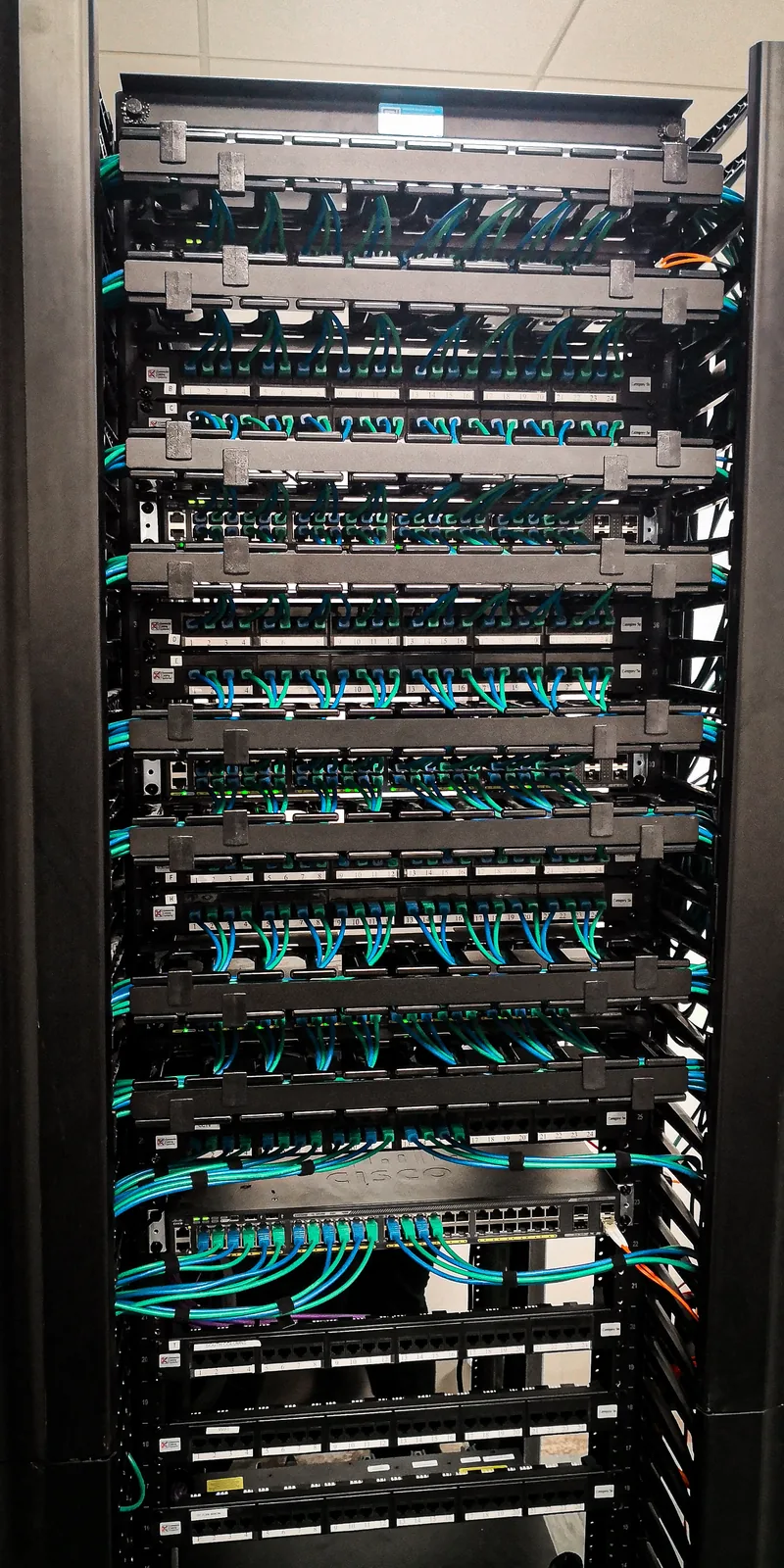
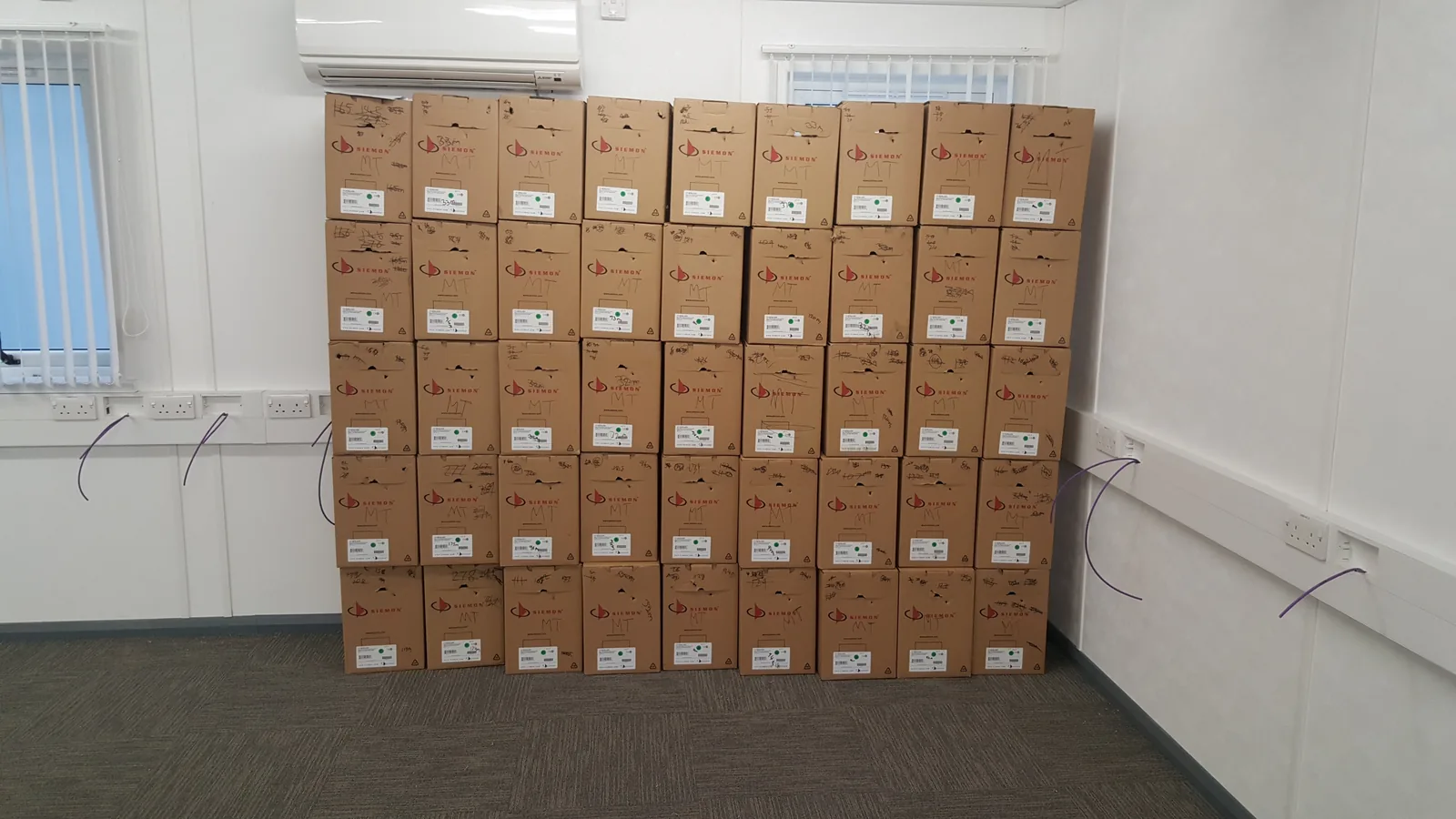
LGN project photography

Questions clients ask
White-label or co-delivery arrangements can be agreed. Branding, introductions, clothing, documents and communication routes should be defined for the project.
Contact follows the agreed route. Client ownership, confidentiality and any non-solicitation term should be documented rather than left as an assumption.
LGN specialises in physical infrastructure. Active hardware placement or patching can be included; configuration and service ownership remain with the named technical party unless expressly agreed.
Yes. The survey output, level of design and whether it is branded or unbranded should be agreed in advance.
Yes. LGN’s evidence includes education estates, transport stations and distribution programmes. A repeatable scope, standards and reporting format are important for consistency.
Depending on scope: test results, labels, photographs, floor plans, cabinet information, exception notes and completion records through an agreed secure route.