Design
Mode, cores, diversity and presentation

Fibre optics
LGN delivers fibre backbones, inter-building links and high-density connectivity with route, termination, testing and long-term serviceability considered together.
LGN delivery framework
Mode, cores, diversity and presentation
Controlled handling and fusion splicing
OTDR evidence and traceable identifiers
Purpose and outcome
A fibre connection is only as dependable as its route, protection, termination and evidence. LGN plans fibre work around capacity, distance, resilience, enclosure choice, bend management, access and the way the system will be maintained after handover. Support includes single-mode and multimode installations, fusion splicing, backbone and campus links, diverse routes and remediation of inherited fibre.
Local competitors commonly mention splicing and OTDR testing. LGN’s service goes further by connecting those technical tasks to cabinets, containment, copper access networks, project phasing and an organised handover. The result is a physical system the client can trace and operate, not an isolated length of tested cable.
Scope
The final scope is specific to the site, but commonly includes the following workstreams.
Define endpoints, capacity, fibre type, route diversity, containment, fire-stopping interfaces and future access.
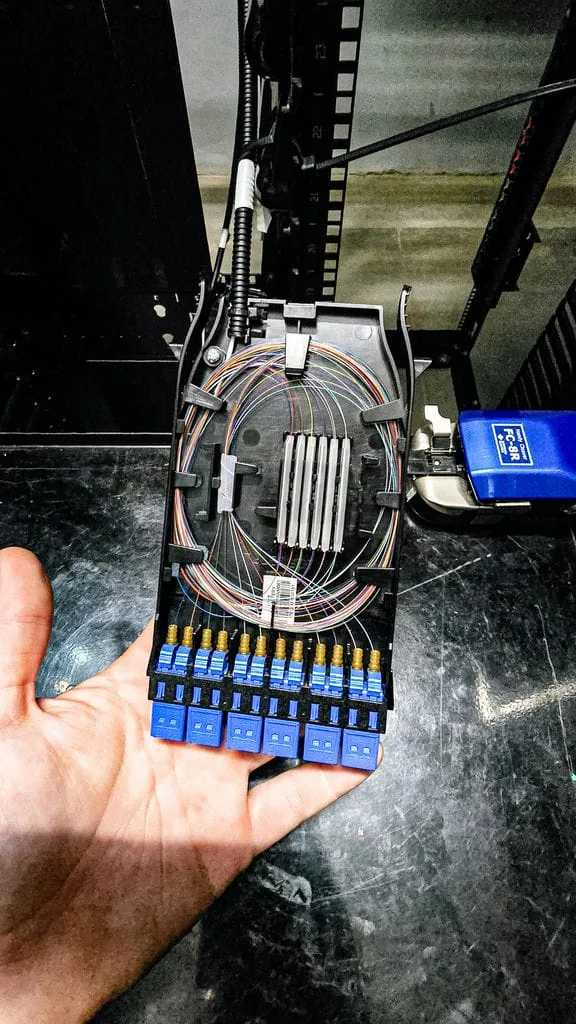
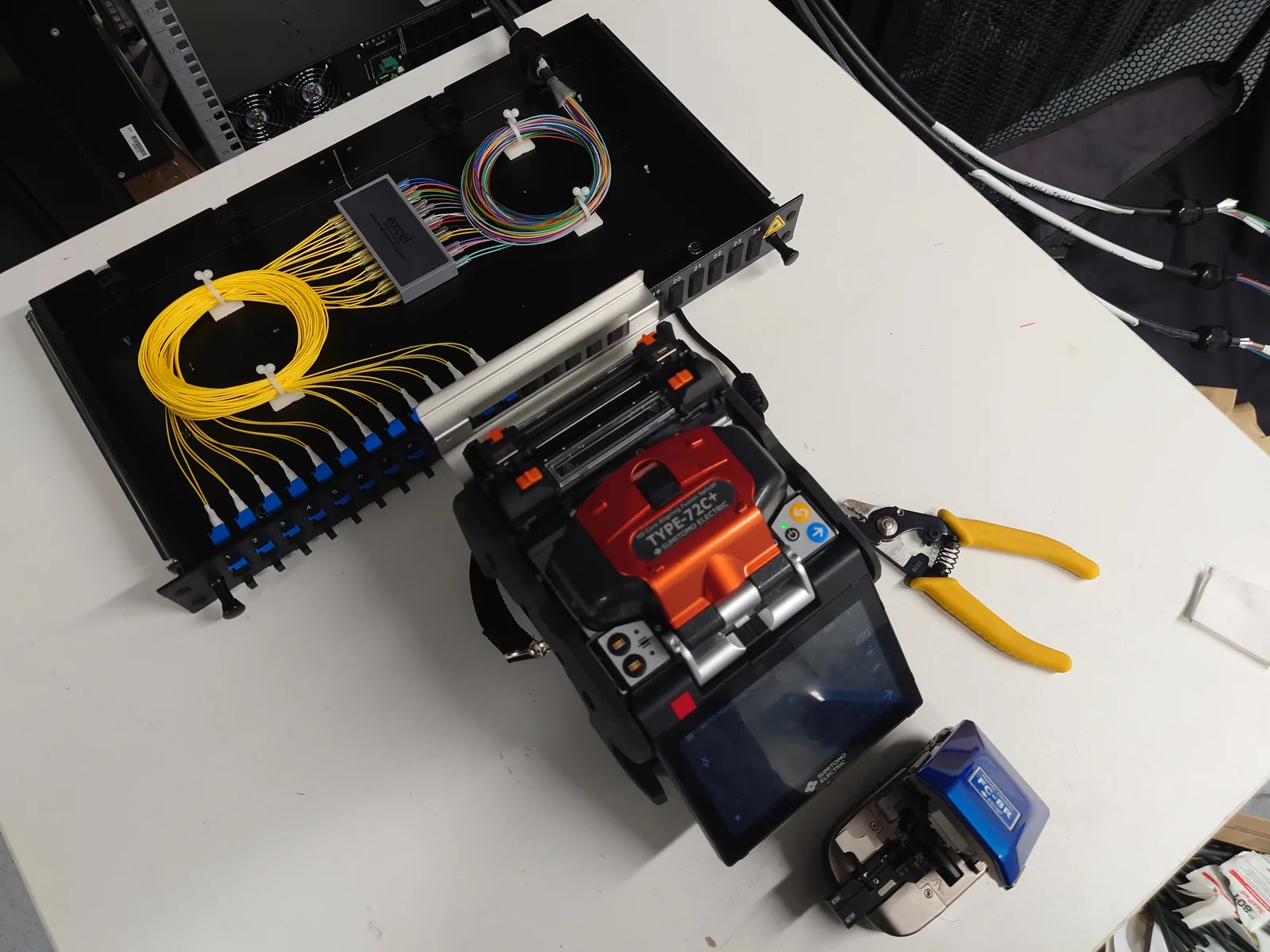
Install, dress, terminate and fusion-splice fibre using enclosures and management appropriate to the design.
Use calibrated OTDR and certification equipment against the agreed acceptance criteria, investigating unexpected loss or events.
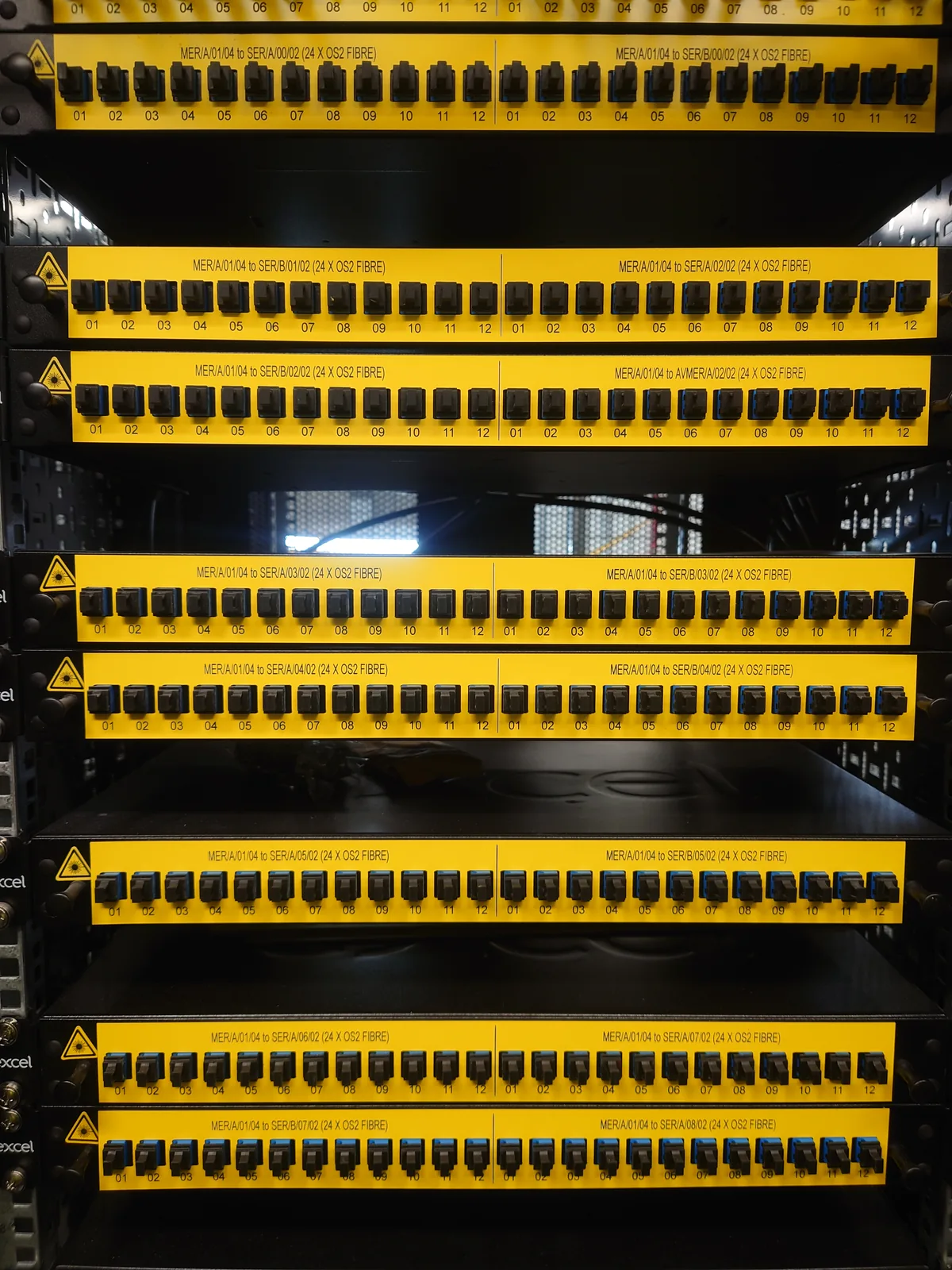
Record identifiers and results and coordinate fibre with cabinets, switches, copper networks and the wider delivery programme.
Delivery and assurance
LGN begins with the required service and physical constraints. The team confirms endpoints, route length, diversity, fibre count, presentation, enclosure and test regime before delivery. During installation, cable handling, anchoring, bend radius, splice protection and internal routing are controlled because each affects performance and future maintenance.
Cost and duration are influenced by route access, containment, civils, working height, fibre count, splice count, enclosure density, shutdown restrictions and the level of testing required. OTDR traces are valuable for event location and route evidence; acceptance may also require end-to-end loss or application-specific certification. The test plan should therefore be agreed, not assumed.
LGN project evidence
LGN supplied four teams to a Greater Manchester transport programme spanning more than 100 stations. The work produced over 10,000 fibre splices proved through OTDR testing, alongside more than 1,000 certified Cat6 harness links. It ran for approximately 18 months in a public-facing, trackside environment where outages were not acceptable.
Fibre also formed the resilient backbone for the five-day emergency healthcare network, linking eight communications cabinets. These projects demonstrate two different demands: long-running estate consistency and rapid mobilisation under extreme programme pressure.
A better project brief
Share the site address, intended outcome, drawings or device schedule, required completion date, access restrictions, operating hours, known standards, existing test evidence and the party responsible for active configuration. LGN will identify assumptions and missing interfaces before they become installation risks.
LGN project photography
Questions clients ask
Fibre is commonly used for longer distances, high-capacity backbones, building links, electrically challenging environments and resilient inter-cabinet connections. The final choice should follow the application and route.
Yes. Fibre type, grade, connector and count are selected for the equipment, distance, capacity and future requirements of the project.
OTDR testing records events and loss along a fibre route and helps locate faults or workmanship issues. The complete acceptance plan may include additional loss or certification testing.
Yes. LGN can inspect, test, trace, re-splice, reterminate and reorganise inherited fibre, then verify the agreed remedial scope.
Yes where the building and external pathways allow it. True resilience requires review of the entire route so supposedly diverse links do not share a hidden point of failure.
Endpoints, route drawings, fibre type/count, termination requirements, existing containment, access restrictions, test requirements and the required completion date are a strong starting point.